 EN
EN
 RU
RU
 KG
KG

International Institutional and Programme Accreditation of Caribbean Medical University School of Medicine


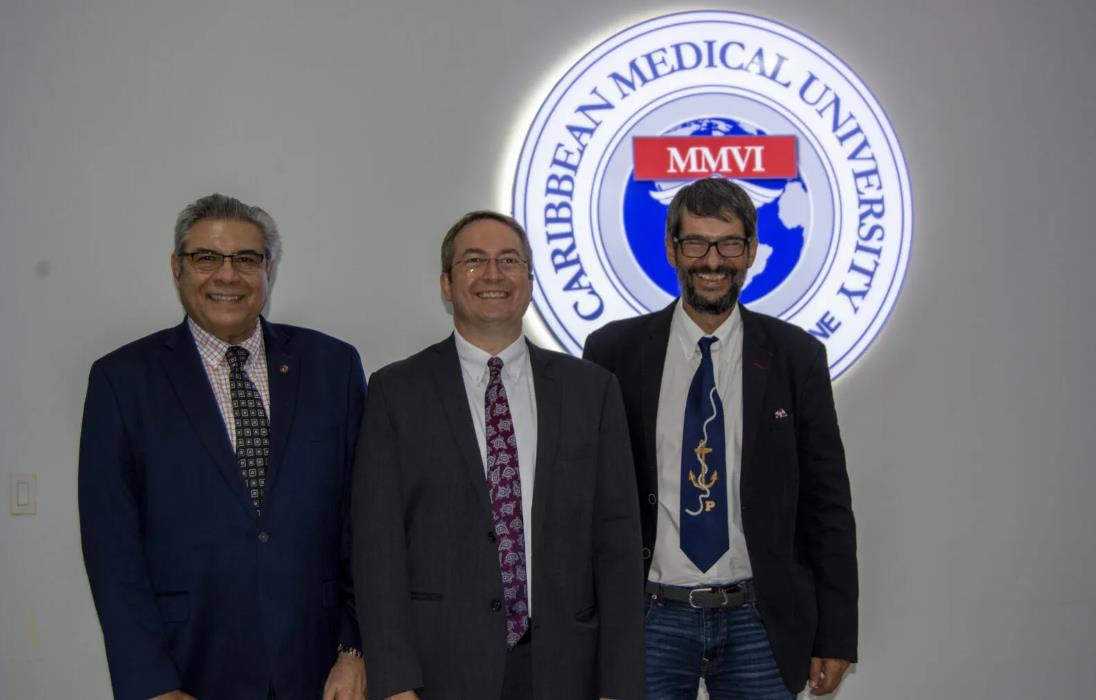
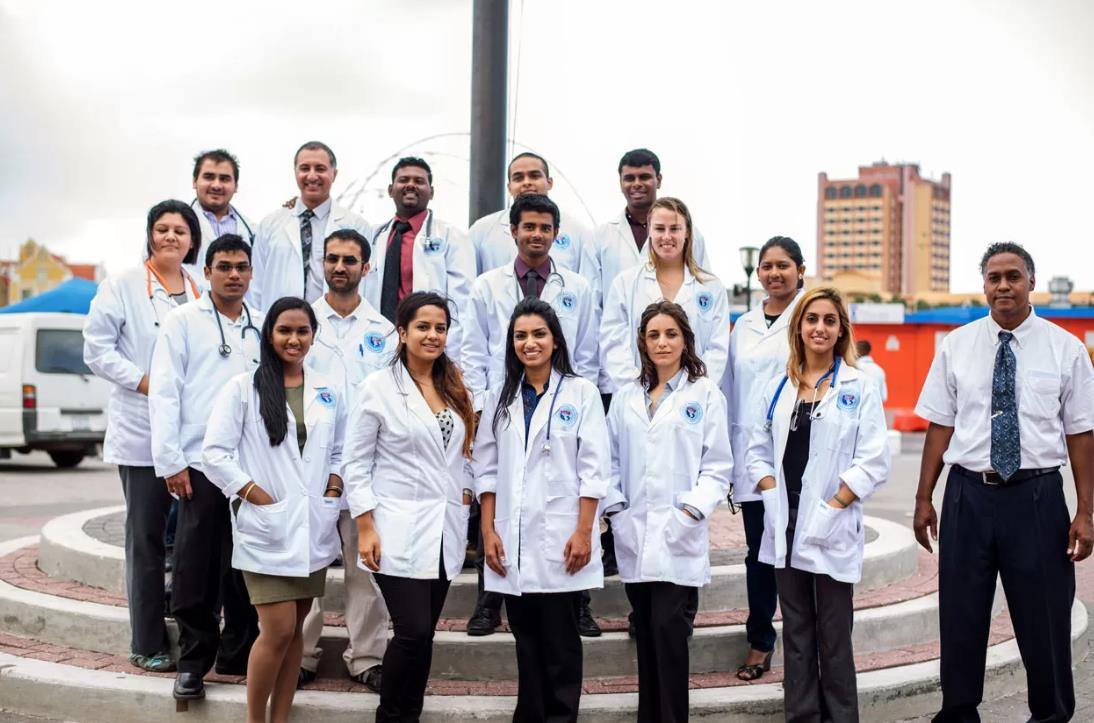
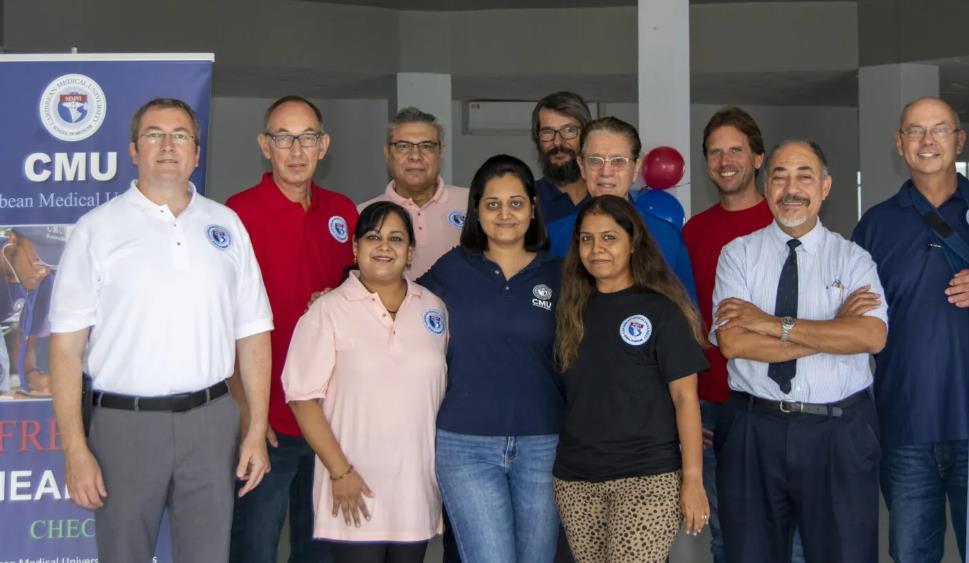
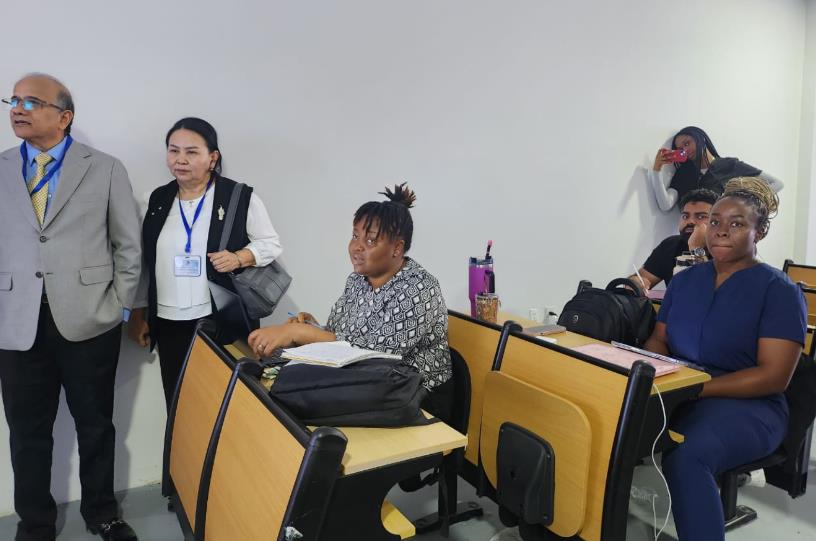
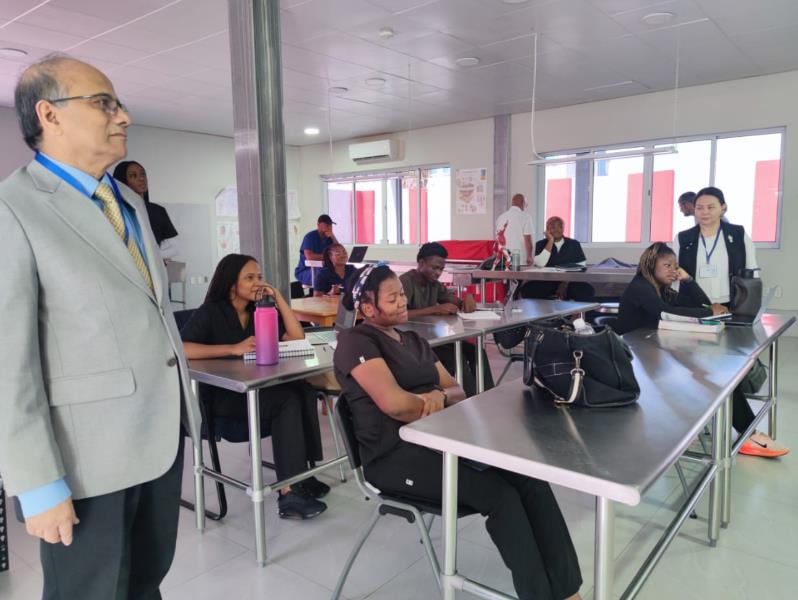
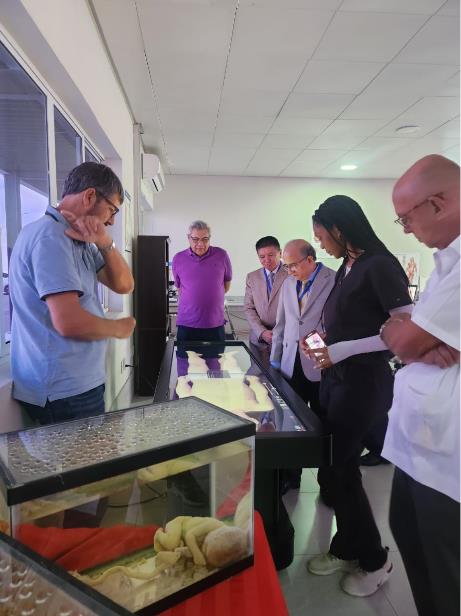
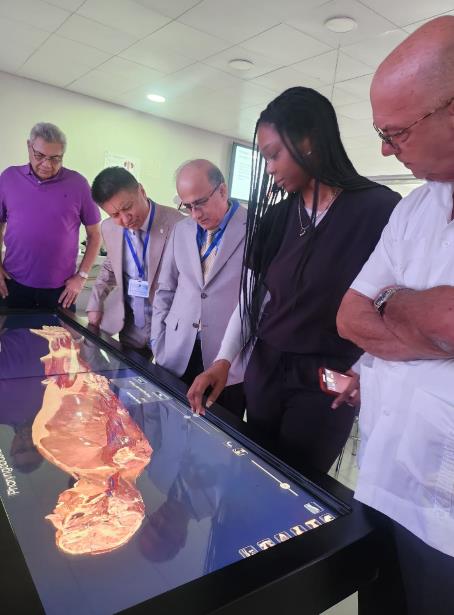
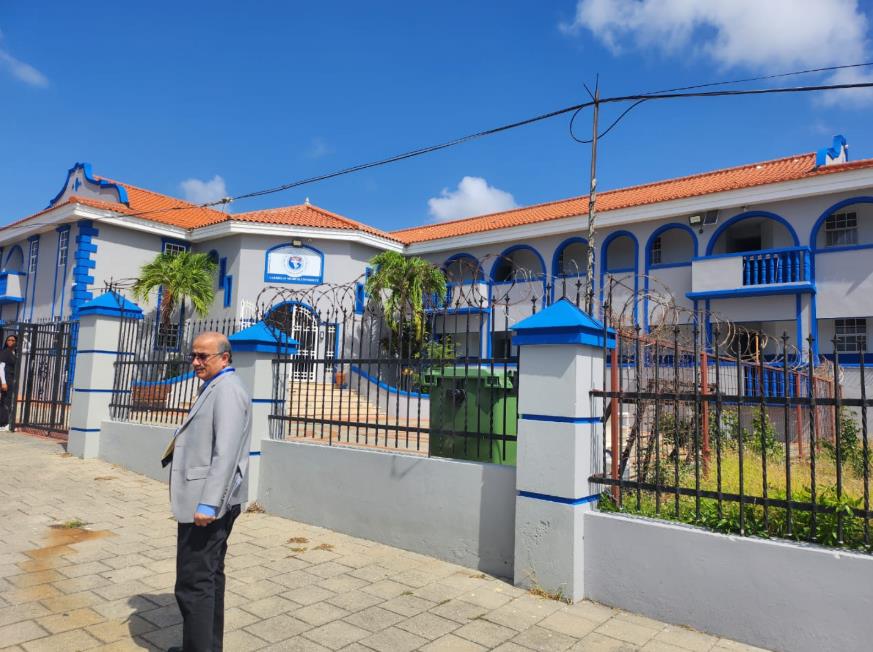
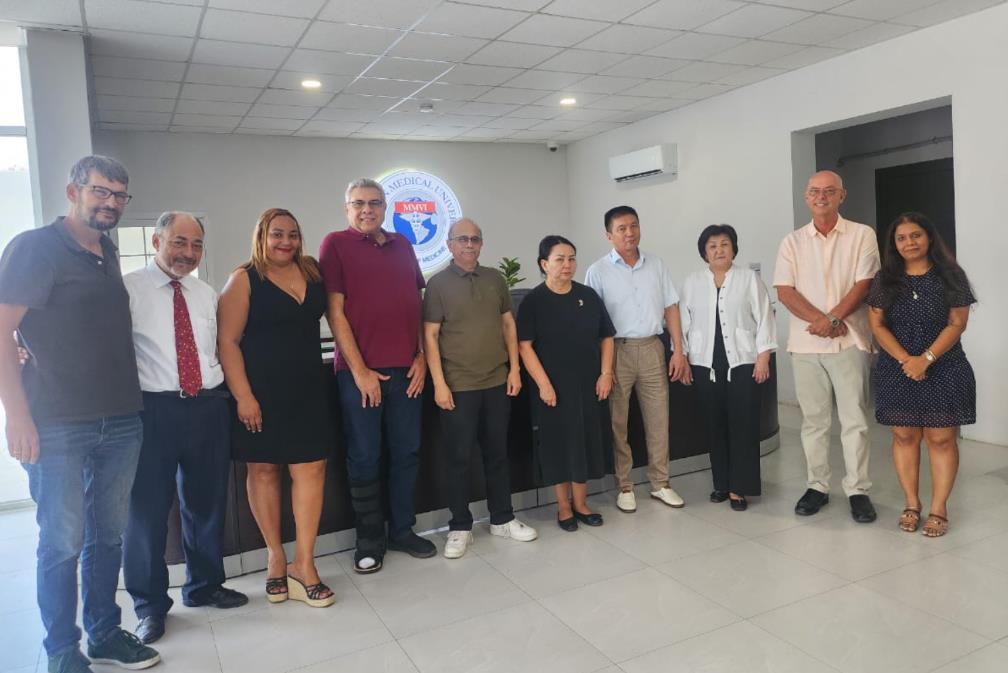
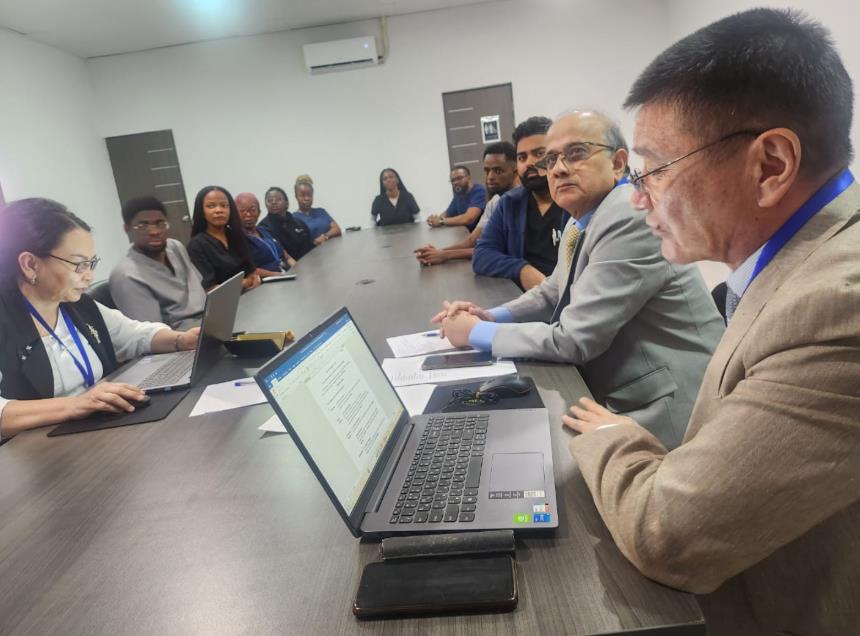
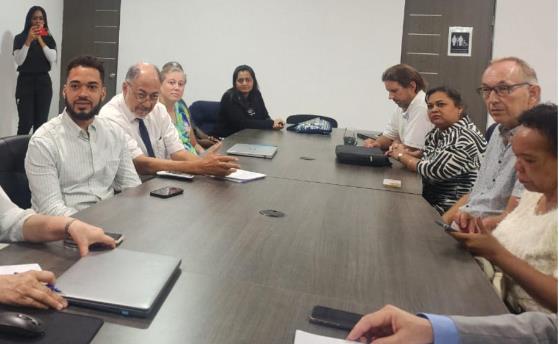
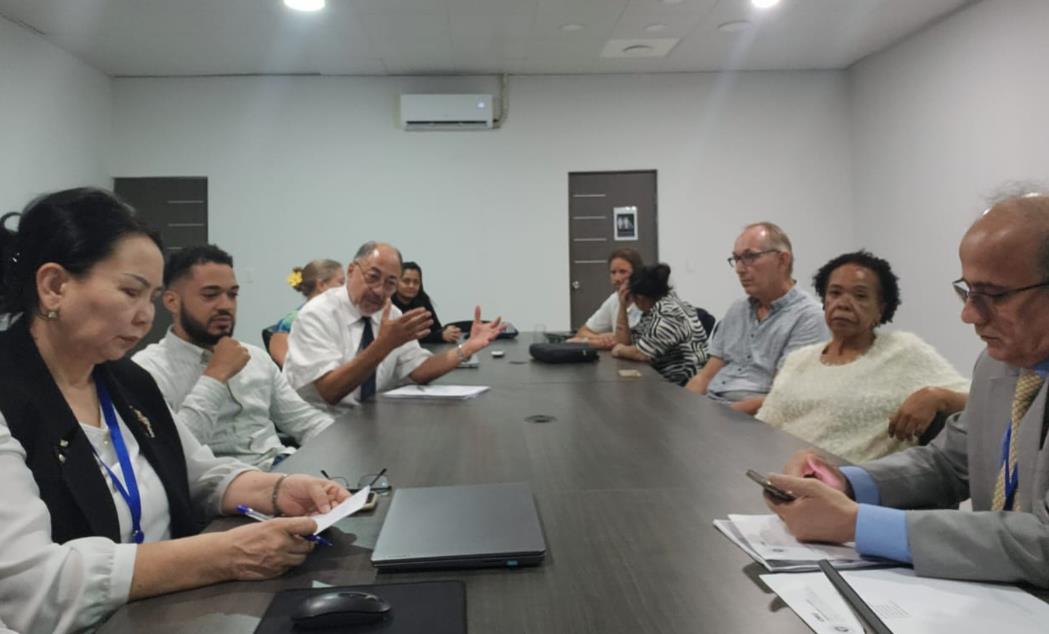
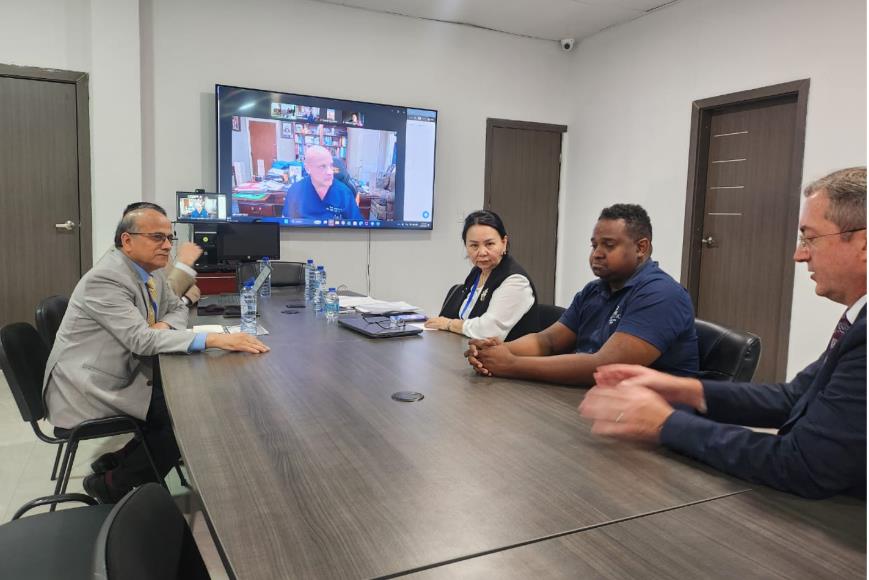
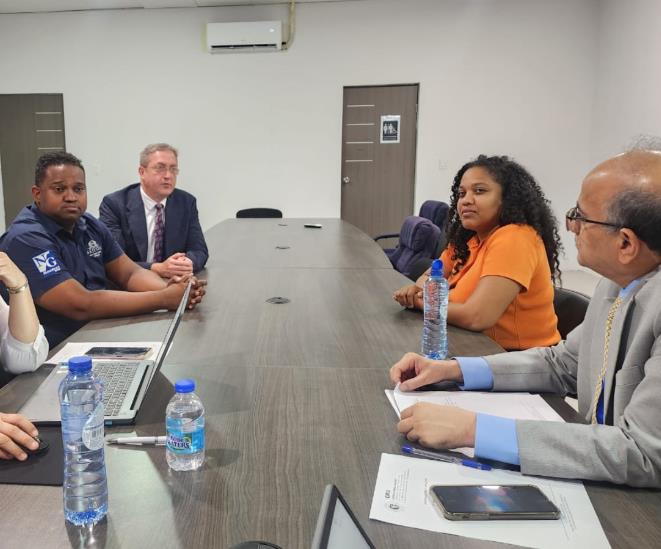
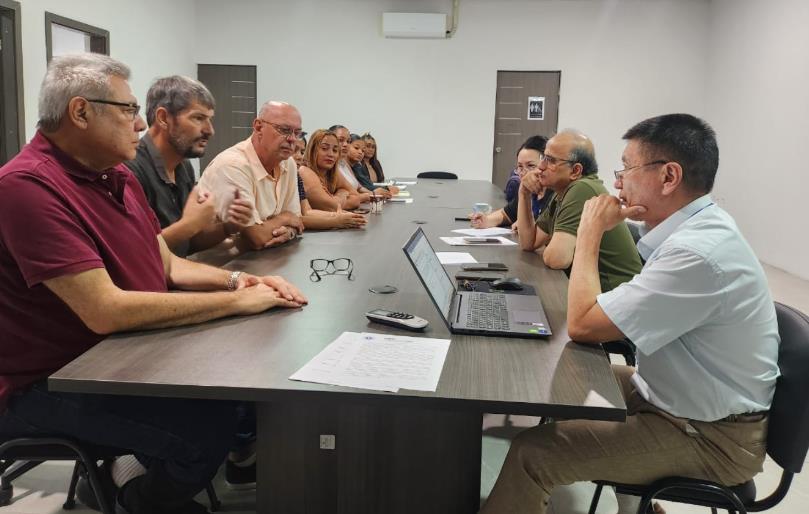
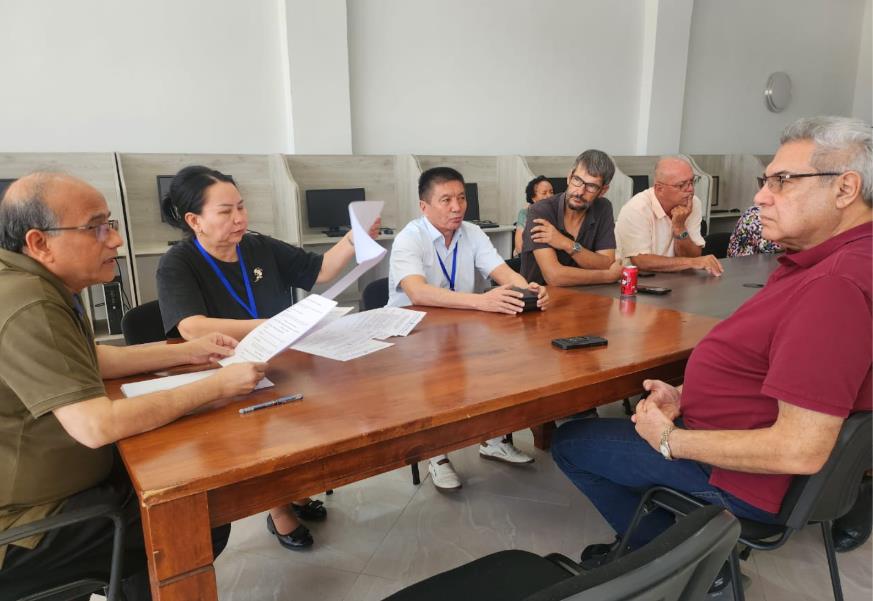
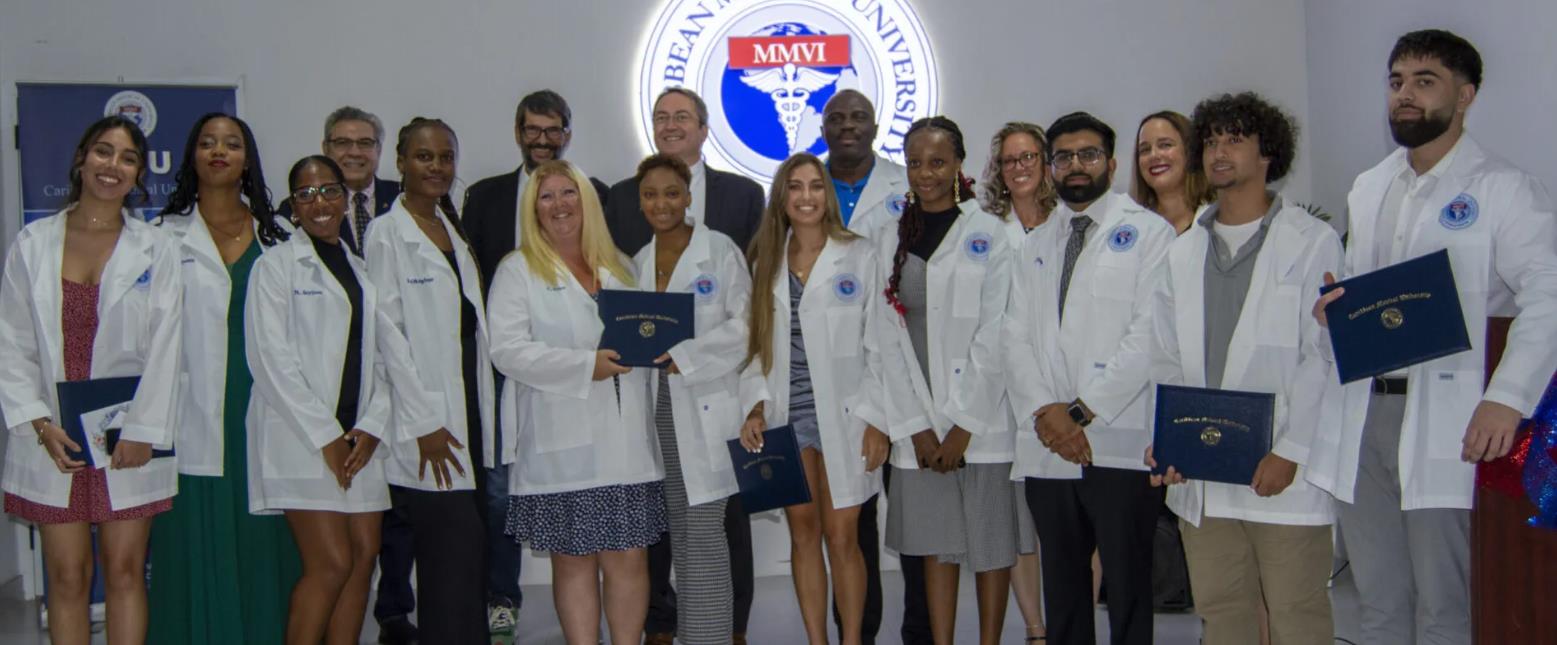
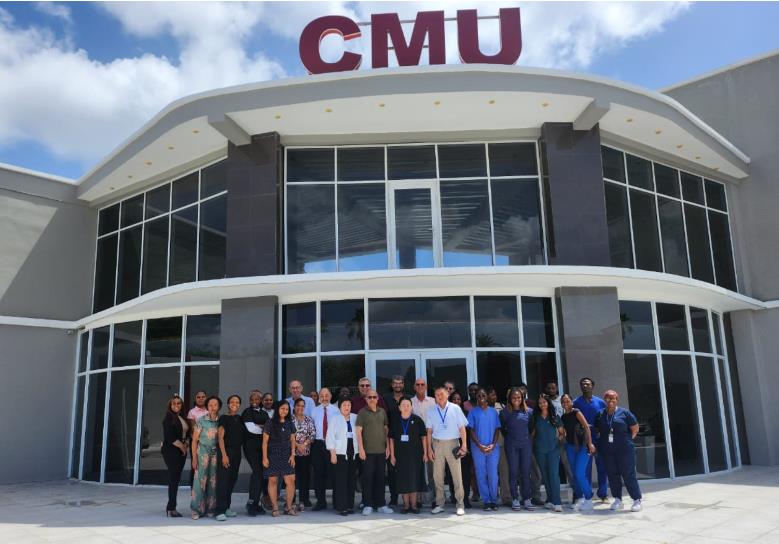
From 23 to 25 February 2026, an
international expert panel of the Agency for Accreditation of Educational
Programs and Organizations (AAEPO) conducted an external expert visit to
Caribbean Medical University School of Medicine in Willemstad, Curaçao, as part
of the international institutional and programme accreditation procedures.
The external evaluation was conducted
in accordance with AAEPO international standards developed on the basis of the
Global Standards of the World Federation for Medical Education (WFME). It was
aimed at carrying out a comprehensive assessment of the quality of the
University’s educational activities and the medical education programmes it
delivers.
A distinctive feature of medical education in
Curaçao is its international orientation. Most medical schools deliver their
programmes in English and primarily serve international students, particularly
those from the United States, Canada, and other countries. The educational
process follows the American model of medical training leading to the Doctor of
Medicine (MD) degree and comprises pre-clinical and clinical stages. A
substantial portion of clinical training is provided at affiliated healthcare
institutions outside Curaçao, mainly in the United States and other Caribbean
countries.
An important component of future physicians’
training is the systematic preparation of students for the United States
Medical Licensing Examination (USMLE). Successful completion of these
examinations is one of the key requirements for subsequent admission to
Graduate Medical Education residency programmes and professional practice in
the United States. Accordingly, during the international accreditation process,
the AAEPO expert panel paid particular attention to the alignment of the
educational programmes with international quality standards, the organisation
of clinical training, the development of students’ professional competencies,
and the effectiveness of internal quality assurance mechanisms that prepare
graduates for international professional certification.
Over the course of three days, the
international expert panel reviewed the University’s self-evaluation materials,
internal regulatory documents, and evidence of the functioning of its quality
assurance system. Particular attention was given to the University’s strategic
development, the effectiveness of its governance system, the content of its
educational programmes, the organisation of pre-clinical and clinical training,
staffing, research activities, international cooperation, the digital learning
environment, and the conditions created for students’ professional development.
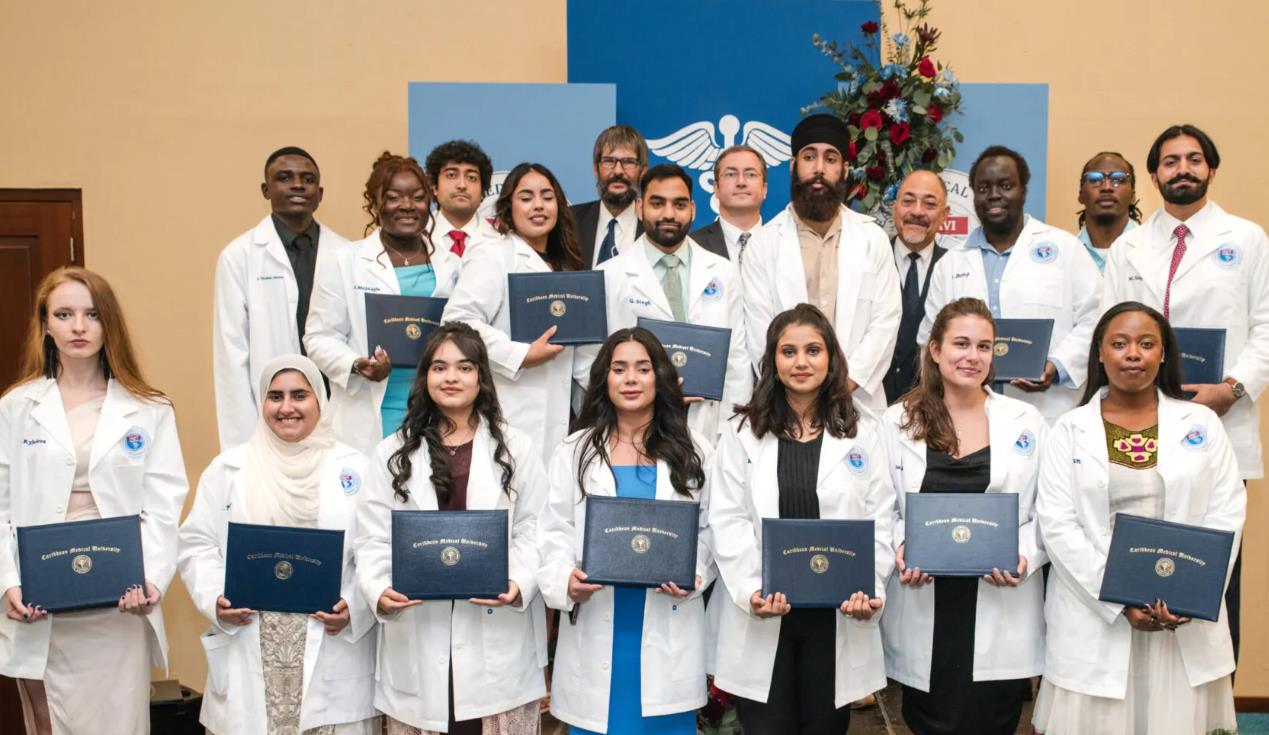
As part of the visit programme, the
experts held meetings with the University’s leadership, academic staff,
students, graduates, representatives of clinical training sites, and employers.
This format enabled a comprehensive assessment of the quality of future
physicians’ training, the effectiveness of the University’s engagement with
healthcare practice, and the extent to which the educational process complies
with contemporary international requirements.
Following the visit, the expert panel
prepared a detailed report containing conclusions and recommendations for the
University’s further development. The external evaluation materials were
submitted to the AAEPO Accreditation Council for consideration and
decision-making on the outcomes of the international institutional and
programme accreditation.
The international accreditation of Caribbean Medical
University School of Medicine represents an important milestone in the
development of AAEPO’s international activities and confirms the Agency’s
contribution to quality assurance in medical education beyond the Kyrgyz
Republic.